When To See a Preventive Dentist
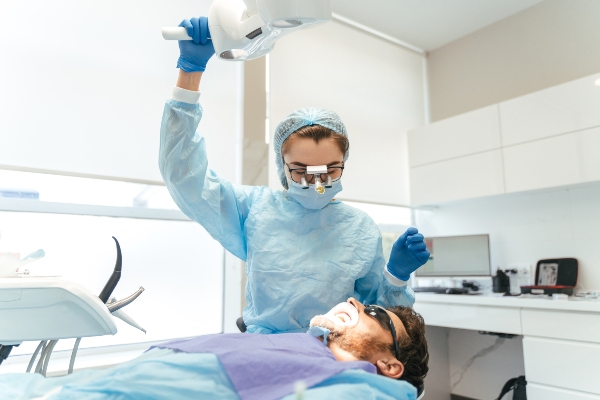
A healthy smile requires routine maintenance, and knowing when to see a preventive dentist helps individuals protect their oral health. Dental practitioners focus on cleanings, examinations, and diagnostic procedures to intercept decay or gum irritation before issues become severe. These clinical evaluations look for early indications of disease, structural weakening, or infections. Seeking regular professional care helps protect teeth from damage and maintain their structural stability. Routine visits allow general practitioners to recognize subtle oral changes that patients might overlook during daily brushing.
Understanding regular dental checkups
Routine dental examinations form the core of oral maintenance, and individuals must realize how often these evaluations should occur. Most patients require clinical cleanings and evaluations every 6 months. During these sessions, dental hygienists use instruments to remove calcified plaque, also known as tartar, from the surfaces of the teeth. Brushing and flossing at home cannot remove this hardened buildup, so professional removal is necessary to avoid gum irritation. After the cleaning process, a provider evaluates the entire mouth to check the stability of existing restorations and screen for new cavities.
Regular cleanings do more than polish teeth; they also interrupt the bacteria that cause periodontal disease. Periodontal disease is an infection of the tissues that support the teeth, and it often begins with minor inflammation. When a general provider assesses the mouth every six months, they measure the depth of the spaces between the gums and teeth. Shallow spaces indicate healthy tissues, while deeper pockets signal that inflammation has begun to damage the supporting bone. Identifying this tissue regression early allows the team to initiate therapy before bone loss occurs. Catching these changes early keeps therapies straightforward and manageable.
Patients with specific systemic health conditions or a high risk of decay may require more frequent visits to the office. Individuals managing diabetes, undergoing orthodontic therapy, or experiencing chronic dry mouth often benefit from receiving cleanings three or four times per year. The dental team creates customized observation schedules depending on the specific environmental risks present in a patient’s mouth. These tailored intervals ensure vulnerable teeth receive extra protection before significant demineralization occurs. Consistent clinical attention prevents minor issues from becoming stressful complications.
Identifying early warning signs
While six-month appointments provide excellent structural oversight, certain physical symptoms require an immediate visit to a preventive dentist. Minor changes in the mouth often indicate the development of bacterial accumulation or enamel breakdown. Ignoring these signals allows decay to penetrate deeper layers of the tooth, which eventually demands extensive restorations. Patients should monitor their mouths daily and contact a dental office if they notice specific alterations in their oral tissues.
The following points represent oral modifications that justify an unscheduled clinical evaluation:
- Gums that bleed during regular brushing or flossing, which indicates early tissue inflammation
- Persistent bad breath or a strange taste in the mouth that remains after using mouthwash
- Increased sensitivity to hot, cold, or sugary beverages that lingers for more than a few seconds
- Chronic dryness in the mouth, which reduces the amount of protective saliva around the enamel
Paying attention to these modifications allows a practitioner to intervene before extensive structural loss occurs. When patients address these concerns promptly, a provider can provide simple therapies such as professional fluoride treatments or minor fillings. Fluoride therapies help remineralize weak spots in the enamel, which helps prevent cavities
If a small cavity already exists, a clinician can place a conservative composite restoration to seal the tooth. Waiting until a tooth hurts usually means the decay has reached the inner nerve, which requires complex root canal therapy. Prompt scheduling protects the natural tooth structure and maintains oral comfort.
Addressing discomfort and structural damage
Structural damage or sudden discomfort always means that a patient needs to see a preventive dentist for a diagnostic assessment. Enamel fractures, cracked teeth, or loose restorations compromise the internal layers of a tooth by exposing them to harmful oral bacteria. Even if a damaged tooth does not hurt immediately, saliva and food particles can leak into the tooth and cause an infection. A general dental provider can examine the structural integrity of the tooth and apply a protective restoration.
Pain while chewing or a dull ache in the jawbone also highlights a need for prompt clinical evaluation. These symptoms often point to a deep cavity, an infection near the root tip, or issues involving the temporomandibular joint. Digital dental radiographs allow the practitioner to view the areas beneath the gumline and between the teeth where visual inspections fall short. Once the radiographs reveal the precise location of the problem, the provider can formulate an accurate treatment plan. Quick diagnostics help resolve discomfort and prevent bacteria from spreading into adjacent facial tissues.
Scheduling an appointment for oral wellness
Prioritizing routine oral evaluations and contacting a practitioner at the first sign of discomfort helps people maintain healthy smiles for life. Regular cleanings, proactive examinations, and early diagnostic radiographs protect teeth from severe decay and keep gum tissues firm. For more information or to schedule an appointment, call our office.
Request an appointment on our website at https://www.krbdentistry.com or call KRB Dentistry at (832) 361-3929 to arrange an appointment at our Rosenberg office.
Check out what others are saying about our dental services on Yelp: Preventative Dental Care in Rosenberg, TX.
Related Posts
Most healthy dental patients are recommended to visit the dentist for routine dental care, which can include undergoing a cleaning twice a year and obtaining periodic X-rays to ensure the absence of cavities, gum disease, and other common dental abnormalities. Speaking with a dentist and keeping track of hygiene routines at home are great ways…
While some might believe visiting the dentist is only necessary for emergencies, routine dental care can be vital for oral health and overall wellness. There are a variety of benefits to seeing a dentist two or three times a year, no matter a patient’s stage of life. While regular brushing and flossing can help keep…
Routine dental care is vital for anyone striving to achieve optimum health. Dentists recommend two preventative dental visits per year, but much can happen between visits; therefore, it is crucial to get the most out of each appointment.Professional cleanings are an essential component of routine dental care and can remove plaque and tartar below the…
Maintaining routine dental care is important for oral and overall health, but many patients have questions about what it consists of beyond daily brushing and flossing. The right answers can help patients of any age understand the importance of providing optimum care for their teeth and the possible issues if they fail to follow through.…